Web3 Social Media Manager Career and Hiring Guide
A Web3 social media manager is both a content strategist and a community-operations analyst, with pay ranging roughly from $30K to $210K and an average near $65K. The role combines storytelling, platform execution, analytics, moderation, and enough blockchain fluency to turn complicated products into credible conversations.
You may be looking at a job post that asks for X, Discord, Telegram, LinkedIn, analytics, founder-brand management, event production, and crypto knowledge in the same paragraph. Or you may be a founder preparing to hire and wondering whether you need a marketer, a moderator, a community lead, or all three. In Web3, the answer often sits between those categories.
The hiring market rewards people who can connect attention to trust. This guide focuses on what employers ask for, what interviews test, how platform choices affect measurement, what salary data can and cannot tell you, and how to build a career beyond posting content.
Why the Web3 Social Media Manager Role Exists
A candidate opens a Web3 job board and finds a familiar title paired with unfamiliar tests. The listing asks for campaign planning, community moderation, Spaces, Telegram, analytics, founder communications, and enough DeFi knowledge to answer questions accurately. A founder reading it may also see why a conventional social hire cannot automatically handle a token-gating problem or explain wallet security without creating unnecessary alarm.
That gap defines the role. A Web3 social media manager is not just a Web2 marketer with blockchain terms added to the job description. The position joins content strategy with community operations analysis. The manager shapes narratives, selects channels, monitors responses, and turns recurring questions or objections into input for marketing and product decisions. Crypto-native role guidance highlights community growth, engagement tracking, sentiment monitoring, and the link between audience feedback and execution.
Salary data needs careful handling from the start. One blockchain and cryptocurrency salary guide places average social media manager pay around $65K, with top-end compensation around $113K. Another dataset reports an average of $65,167 and a range from $30K to $210K. The figures in crypto social media salary data describe a broad market, not a guaranteed band for each applicant.
Why Web3 changes the hiring brief
A conventional social role may be assessed through content quality, reach, and support for conversions. Web3 employers also test whether a candidate can protect trust when users misunderstand a product, a community becomes angry, a scam link circulates, or a protocol update changes the message overnight.
Community members are active participants. They question claims, test products, share warnings, and influence adoption. The manager must translate technical information without flattening its meaning, moderate without suppressing legitimate criticism, and report performance without treating conversation volume as product traction.
The hiring process should therefore test the full operating loop: role definition, market context, technical and communication skills, platform selection, ROI measurement, interview performance, and career progression. Job descriptions should separate these responsibilities instead of hiding them inside a generic social title. Interviews should also distinguish practical Web3 experience from applicants who know the vocabulary but have not operated inside a crypto community.
What a Web3 Social Media Manager Actually Does
A Web2 social media manager is often like a town-square announcer. They plan messages, publish them, and monitor reactions from the audience. A Web3 social media manager is closer to a community co-owner. They still publish, but they also educate, moderate, protect trust, and interpret feedback from people who may have financial or product exposure to the network.
That difference makes more sense when you look at social media's development. Social platforms trace their roots to the 1970s, while SixDegrees.com launched in 1997 as the first widely recognized social network. The major platform era accelerated between 2004 and 2012 with Facebook, YouTube, Twitter, and Instagram, and social media now reaches more than 5 billion users globally, according to Hootsuite's social media history.
Web3 managers inherit those Web2 habits. They work with feeds, creators, short-form video, platform algorithms, and audience segmentation. The difference is that decentralized networks, token-enabled participation, and creator monetization can change the relationship between a brand and its community. The audience may also be a user base, a governance constituency, an investor group, or an early product-testing community.
The daily operating loop
The job usually spans four connected activities:
- Content planning: Build editorial themes that explain the product, show its use, and give the community reasons to return.
- Community operations: Monitor Telegram, Discord, X, LinkedIn, and emerging channels, then route useful feedback to the right internal team.
- Live engagement: Run AMAs, Spaces, workshops, educational series, and launch conversations.
- Performance analysis: Compare engagement, sentiment, acquisition signals, and adoption outcomes rather than celebrating post volume alone.
The last activity is where many candidates separate themselves. After an AMA, the manager should know which questions repeated, which objections persisted, whether sign-ups or product activity changed, and whether the format attracted relevant users. The point isn't to create a perfect attribution model. It's to close the loop well enough that the next campaign reflects what the community needs.
A manager may also coordinate KOL outreach, support a founder's personal brand, adapt a technical announcement for different platforms, and maintain a consistent voice across channels. A relevant example of the type of role candidates can study is this social media and influencer marketing manager position.
The Market Behind the Job in 2026
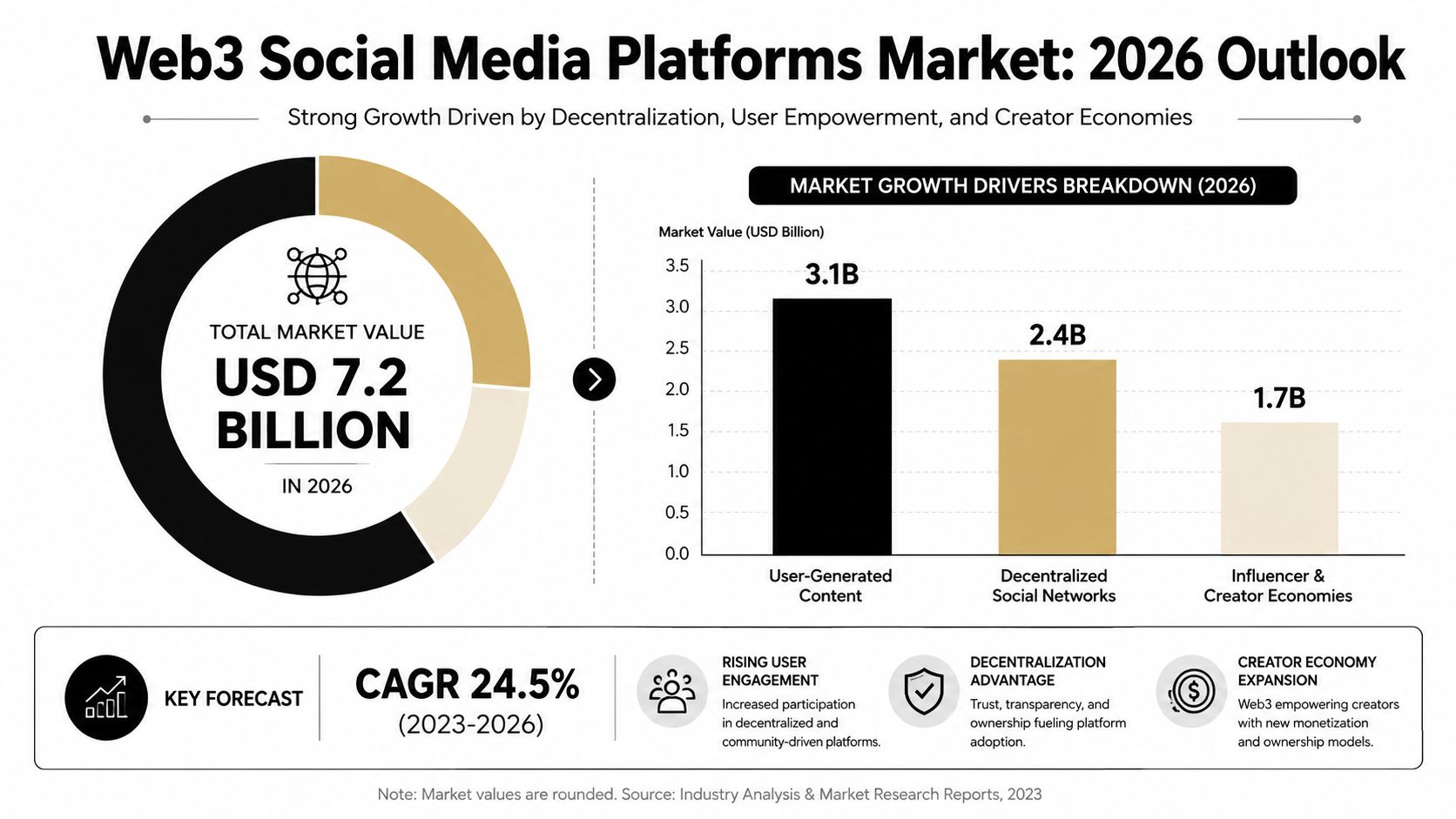
The market context gives candidates a reason to develop specialized skills and gives employers a basis for creating a dedicated role. One 2025 industry report estimated the global Web3 social media platforms market at USD 7.2 billion in 2024 and projected it to reach USD 471 billion by 2034, implying a 51.90% CAGR. The same Web3 social media market report estimated that North America held over 41.5% share, with about USD 2.9 billion in 2024.
The report also valued the U.S. market at USD 2.18 billion and assigned it a 48.6% CAGR, while citing more than 10 million active daily users in the Web3 social ecosystem as of July 2024. These figures point to a market with observable activity and a strong North American concentration, not merely a speculative category with no users.
What market growth means for candidates
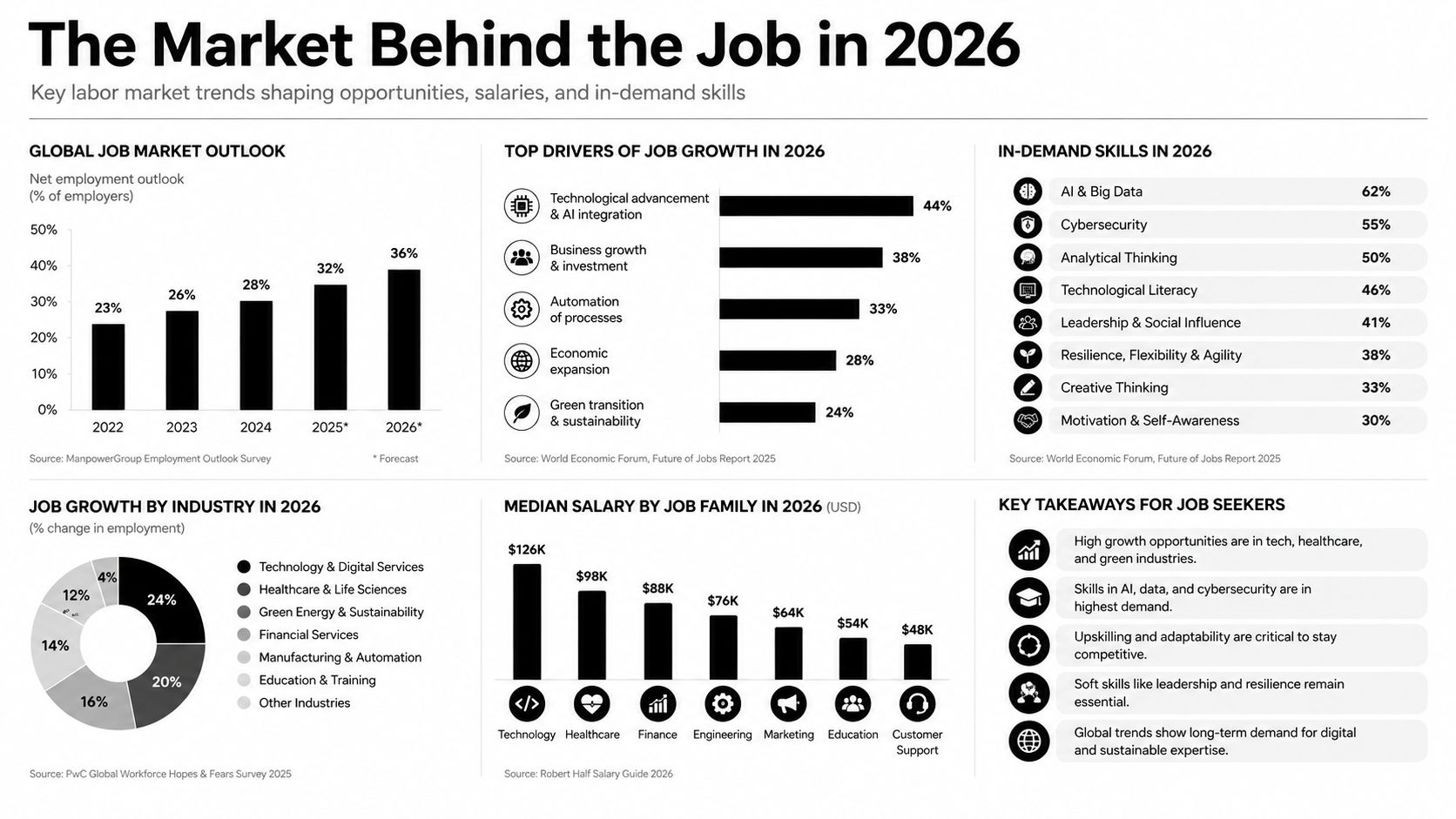
A fast market CAGR doesn't guarantee that an individual manager will receive a higher salary. It does, however, help explain why employers seek people who can handle more than a single channel. As platforms and communities expand, companies need operators who can coordinate content operations, community growth, and decentralized brand building.
Geography matters too. North American concentration can affect hiring hours, event schedules, compensation expectations, and the importance of region-specific cultural fluency. Remote listings may still expect availability for North American community activity or calls, so candidates should ask about time-zone requirements before accepting an offer.
What it means for employers
Hiring budgets should follow the actual operating burden. A team that needs X posts but also expects Discord moderation, Telegram support, founder communications, campaign reporting, and live events isn't hiring for a narrow publishing function. The listing should reflect that scope, or the company will attract applicants who are strong in only one part of the job.
The market data supports specialization, but it doesn't replace diligence. Employers still need to evaluate whether candidates can explain a protocol clearly, distinguish useful engagement from artificial amplification, and respond responsibly when community sentiment changes. Growth creates opportunity, but credibility determines whether that opportunity lasts.
Skills and Tools Employers Expect
Job descriptions consistently group the role into three skill clusters. The first is Web3 literacy, the second is platform and operating craft, and the third is communication under pressure. Candidates who present only one cluster often look incomplete, even if their content portfolio is polished.
Technical literacy that earns trust
Employers commonly ask for an understanding of blockchain, cryptocurrencies, DeFi, and NFT marketplaces. You don't need to be a protocol engineer, but you should be able to explain what the product does, identify the user action it supports, and recognize when a claim requires review from legal, compliance, or technical colleagues.
That literacy shows up in practical moments. You may need to turn a governance proposal into an accessible thread, explain a wallet interaction without giving financial advice, or identify why a community question signals a product problem rather than a content problem.
Platform craft and workflow control
The role may involve X/Twitter analytics, Discord, Telegram, LinkedIn, Hootsuite, scheduling systems, and AI-assisted content tools. Employers also want people who can manage multiple accounts, stakeholders, and founder or executive personal brands. Many listings ask for 3+ years of social media management experience, as reflected in community manager interview guidance.
Communication is the multiplier. Storytelling matters because complex systems need clear narratives. Listening matters because a community can expose friction before a dashboard does. For candidates building an AI-supported workflow, Quso.ai's 2026 guide to AI tools offers a useful way to compare content and productivity tools without treating automation as a substitute for judgment.
| Category | Examples | What It Signals to Employers |
|---|---|---|
| Scheduling | Hootsuite and platform publishing tools | You can maintain a reliable content calendar across accounts and time zones |
| Community operations | Discord and Telegram | You understand live conversation, escalation, permissions, and member support |
| Analytics | X/Twitter analytics, native platform dashboards, reporting sheets | You can connect campaign activity to engagement and acquisition signals |
| Verification | NFT marketplaces and blockchain product interfaces | You can check context before publishing claims about assets, products, or launches |
Some gaps are easier to close than others. A Web2 marketer can learn scheduling, reporting structure, short-form adaptation, and editorial planning with focused practice. Genuine immersion is harder to fake. Candidates should spend time reading community conversations, understanding common scams, learning how users discuss wallets and protocols, and observing how criticism develops.
A role such as this Web3 content marketing lead position can help candidates identify how employers combine writing, strategy, analytics, and technical understanding in a single brief. Your portfolio should show that combination rather than a collection of attractive posts without context.
Choosing Platforms and Proving ROI
Platform selection starts with the audience, not with a default channel list. X may suit founder-led commentary, protocol updates, and real-time discussion. Discord can support deeper member operations. Telegram may be central to fast-moving community communication. LinkedIn, Instagram, TikTok, YouTube, podcasts, newsletters, and emerging networks become more relevant when the audience includes professionals, creators, learners, or users who aren't already active in crypto-native spaces.
Token stage changes the mix. An early protocol may need education, founder visibility, and direct feedback from technical users. A product approaching broader adoption may need clearer onboarding content, video explainers, creator partnerships, and regionally relevant distribution. Geography affects language, scheduling, platform behavior, and which voices the audience already trusts.
The job is therefore an integrated attention strategy, not an X, Telegram, and Discord checklist. The manager coordinates social posts, community conversations, founder channels, podcasts, newsletters, KOL outreach, and live events so each format supports the same product narrative.
Measurement must connect channels
Native metrics are useful but incomplete. A practical reporting pipeline combines platform engagement, community feedback, event performance, acquisition signals, and product adoption indicators in one operating view. After a Space or educational series, the manager should record not only attendance or reactions, but also recurring questions, qualified conversations, sign-up behavior, and subsequent usage where the company can measure it responsibly.
The PostPulse developer guide to social ROI provides useful context for connecting social goals to business outcomes. In Web3, that connection needs extra caution because bots, coordinated amplification, volatile sentiment, and incentive-driven participation can make surface-level engagement misleading.
Practical rule: Treat reach as an input, not proof of success. Trust, qualified participation, retained users, and informed product feedback are stronger signals for credibility-sensitive communities.
Moderation belongs inside the measurement and risk system. Industry guidance says automated tools commonly support spam filtering, join verification, and token-gated access, but manual moderation remains necessary because coordinated attacks can evade bots. Published community data associated response times under 10 minutes with a 34% improvement in community sentiment compared with response times over 60 minutes, as detailed in community moderation guidance.
Build escalation paths before a crisis. Define who handles scams, token-gating abuse, threats, coordinated FUD, and technical misinformation. Then evaluate moderation through sentiment ratio, DAU/MAU, message velocity, resolution quality, and the difference between genuine member activity and artificial amplification.
Inside the Hiring Process
Candidates are rarely tested only on whether they can write. Interviews often probe how you handle feedback, create and analyze campaigns, understand blockchain and DeFi, and engage with crypto communities in a way that feels informed rather than performative. Web3 social media interview guidance reflects that practical emphasis.
A strong candidate prepares examples that show decisions, not just outputs. Explain the audience, the platform choice, the message, the signal you monitored, what changed, and what you would do differently. If you haven't held a formal Web3 title, use adjacent evidence from community work, technical content, creator programs, product education, or moderation.

Questions candidates should expect
Interviewers may ask:
- Feedback handling: How do you respond when a community rejects a campaign or challenges a product claim?
- Campaign creation: How would you build an educational series for users who don't understand DeFi?
- Analytics: Which metrics would you review after an AMA, workshop, or Spaces campaign?
- Platform judgment: How would you adapt one announcement for X, LinkedIn, Discord, and short-form video?
- Crisis response: What would you do if a scam link began spreading through a community?
- Technical understanding: Explain the relevant blockchain, crypto, or DeFi concept in language a new user can follow.
The best answers show restraint. Don't promise that more posts will solve a trust problem. Explain how you'd verify facts, coordinate with internal owners, protect users, document the incident, and communicate clearly without amplifying harmful material.
What employers should screen for
Employers should write a brief that outlines the core work. It should specify required communication skills, demonstrated Web3 understanding, proven experience with crypto or Web3 brands, community-building responsibilities, analytics expectations, storytelling ability, and any founder-brand or event obligations.
| Hiring signal | Weak evidence | Stronger evidence |
|---|---|---|
| Content judgment | A gallery of attractive posts | A campaign with audience rationale and iteration |
| Community skill | Follower totals | Moderation examples, escalation thinking, and feedback loops |
| Analytics | Dashboard screenshots | A clear explanation of what changed after measurement |
| Web3 fluency | Familiarity with buzzwords | Accurate product education and sensible risk awareness |
| Crisis handling | Generic claims about communication | A calm scenario response with verification and escalation |
The interview should test the actual environment. Ask a candidate to rewrite a technical announcement, assess a suspicious community message, outline a reporting view, or prioritize channels for a specific audience. Candidates can review marketing roles in blockchain to compare how current listings describe the function.
Employers should also tell applicants who owns approvals, how moderation works, what success means, which hours matter, and whether the role includes support, events, or founder communications. Ambiguity creates mismatched hires and makes fair evaluation difficult.
Career Pathways, Salaries, and Hiring Tips That Work
A moderator who starts tagging recurring questions can become a community specialist, then take ownership of campaigns, reporting, and escalation. That progression is more credible than a title change alone because each step adds measurable responsibility. Common entry points include customer support, social coordination, content operations, and creator partnerships.
A practical path might run from Community Moderator to Community Specialist, then Social Media Manager, Community Lead, and Head of Community. The timeline depends on company stage and performance, but the work should show increasing ownership: first accurate responses and safe escalation, then programming and analytics, followed by hiring, budget decisions, and cross-functional planning. Growth marketing, content leadership, and founder-brand advisory are also possible directions.
Promotion depends less on publishing volume than on evidence that the work improved understanding, participation, product feedback, or retention. A candidate who can explain why a campaign worked, what changed after measurement, and which trade-offs shaped the decision is more valuable than someone who only presents polished creative.
Reading salary data honestly
Salary ranges remain broad. As noted earlier, compensation varies by scope, seniority, geography, company stage, technical complexity, and whether the role includes community operations, growth ownership, events, or executive branding. Treat any benchmark as a reference point, not a promise for a specific title.
Candidates strengthen their position by documenting specialized value:
- Show measurable judgment: Explain how you selected channels, interpreted sentiment, and changed execution.
- Prove technical translation: Include examples that simplify blockchain, crypto, DeFi, or NFT concepts without unsupported promises.
- Document operational ownership: Show moderation systems, escalation paths, event coordination, and stakeholder workflows.
- Build executive trust: Demonstrate that you can protect a founder's voice while keeping claims accurate and consistent.
- Connect work to adoption: Report qualified actions and product feedback, not vanity engagement alone.
Hiring managers should test those capabilities with realistic work. Give candidates a scam report, a negative product thread, or a launch serving competing audiences. Ask for the first response, internal escalation, public message, and follow-up metrics. The exercise reveals judgment under pressure more clearly than a follower total.
Hiring insight: Follower count is evidence of distribution. It does not show that a candidate can protect a community, explain a protocol, or produce reliable ROI reporting.
Job descriptions should match the title to the accountability. If the company expects strategy, moderation, analytics, KOL outreach, founder-brand management, and live events, list each responsibility and align compensation with the combined scope. Candidates should ask which duties are core, which are shared, who approves public statements, and how performance will be judged.
For teams reducing administrative friction, simplifying hiring workflows can make scheduling, evaluation, and candidate communication easier. The tool does not replace a scorecard. That scorecard should assess communication, Web3 understanding, platform judgment, community safety, analytics, and collaboration.
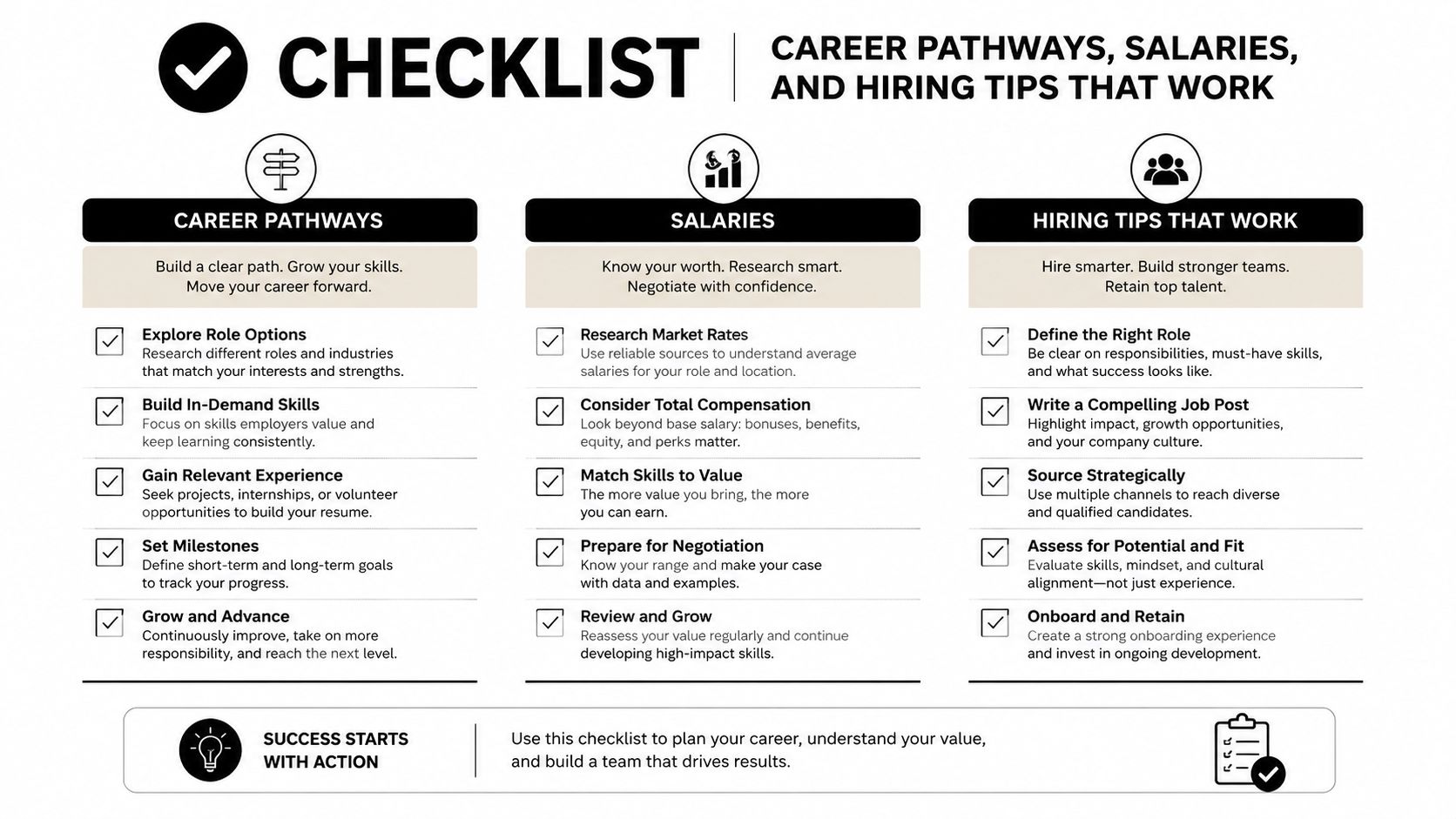
A practical checklist
For candidates:
- Audit the listing: Match every requested platform and responsibility to a concrete example.
- Prepare scenarios: Practice crisis, feedback, campaign, analytics, and technical explanation answers.
- Build a proof portfolio: Show briefs, decisions, outcomes, and lessons, not only final creative.
- Ask operational questions: Clarify moderation ownership, approval flow, working hours, and success metrics.
For employers:
- Define the hybrid role: Separate publishing duties from community operations and analytical ownership.
- Test real work: Use a short, relevant scenario rather than relying on follower totals.
- Check technical accuracy: Ask candidates to explain the product for a non-specialist audience.
- Set credible expectations: Align scope, seniority, compensation, and reporting responsibilities.
AI-assisted analytics, short-form video, and authenticity-first storytelling will continue changing the work. AI can organize information and support decisions, while the manager still needs judgment, community empathy, technical curiosity, and the discipline to earn attention without sacrificing credibility.
Blockchain Jobs helps candidates search Web3 roles across marketing, content, community, engineering, product, compliance, and other functions. Employers can post openings for a specialized blockchain talent audience. Visit Blockchain Jobs to compare current opportunities, examine how companies define social and community work, or publish a role that accurately reflects the web3 social media manager skill set.